
ABOUT
01 - Liebeling’s story
Buying consciously: the current fashion industry
Fashion has changed a lot over the past few decades. From your mum knitting you a jumper in the 80s to ordering an entire wardrobe in minutes, the way we get our clothes has become faster and easier. There is more to choose from, more to buy, and more being thrown away. Producing all those clothes requires materials, water and energy, while much of what we discard is lost to landfill or burning. In 2022, an estimated 73% of discarded textiles and shoes in the EU went to landfill or incineration*. Yet buying new remains convenient: familiar brands offer manageable prices, sizing we know and easy returns.
For those of us trying to change our shopping habits, switching brands can seem like the easiest place to start. We often turn to more expensive brands, assuming the extra money buys us better quality and better practices. But most of us don’t know what goes on behind the brands we wear. A higher price or a conscious image doesn’t necessarily guarantee either, making it difficult to know whether we’re actually making a better choice.
Secondhand and vintage offer a way to use what already exists, but come with their own difficulties. Prices can be just as high as buying new, while finding affordable pieces in good condition often takes hours of searching. Even then, the fit, colour or quality may not be what we expected. Upcycling requires time, skills and sometimes more money than expected. Buying more consciously becomes difficult when it takes more time or money than we have to spare.
 search for the sustainability score of your favourite clothing brands
Over the past few years, I’ve tried different ways of changing my shopping habits, including 9 months without buying anything new. But I found it difficult to express myself through the same basics I owned. Clothing brings me joy and is a way to express my identity; something I likely share with many others, particularly in cities where fashion is part of the culture.
When I turned to secondhand, I ran into the same difficulties described above. Difficulties like these make me understand why changing our shopping habits takes more than good intentions. I wanted to keep enjoying fashion, but needed an alternative that worked for me in practice. LIEBELING grew out of that search, and the idea that the time I spent finding, checking and repairing pieces could make buying secondhand easier for someone else.
02 — why heels?
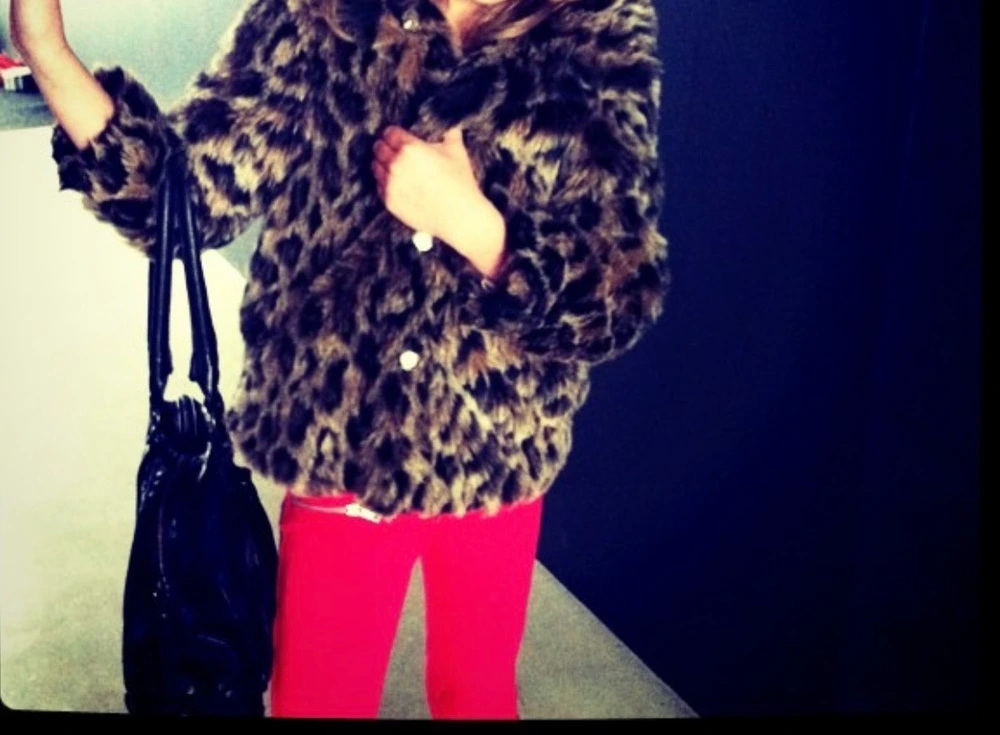
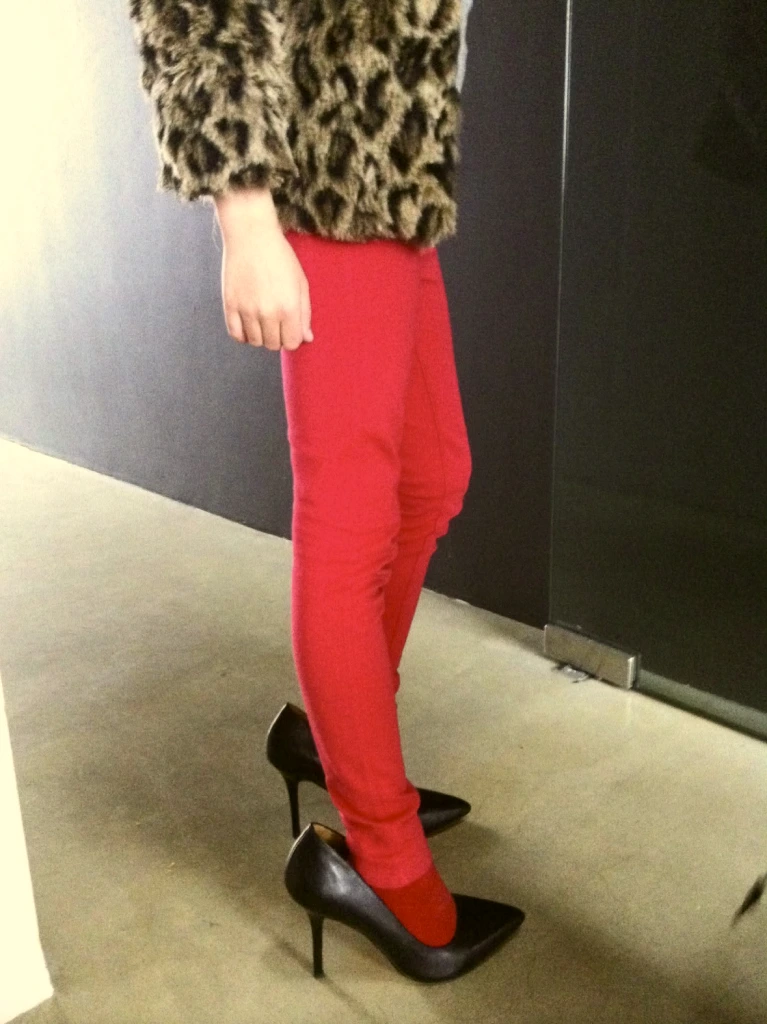
My love for heels started with my mom. She used to have a fashion blog where she shared her outfits and inspiration, and to me, she was the ultimate fashion icon. I loved dressing up as her, especially trying on her heels. She seemed to own a gazillion pairs, and I was convinced that when I grew up, I’d wear them every day.
Then came high school, where sneakers became the default. I still loved heels, but even boots with a small heel made me feel overdressed. Not quite the future I’d pictured while walking around in my mom’s shoes. Still, my love for heels stuck around.
As I got older, I started wearing heels more often, and my interest in them grew again. I loved finding new pairs and figuring out how to style them. It became a bit of a hobby, and eventually, that’s how Liebeling started.
03 — LIEBELING’s values
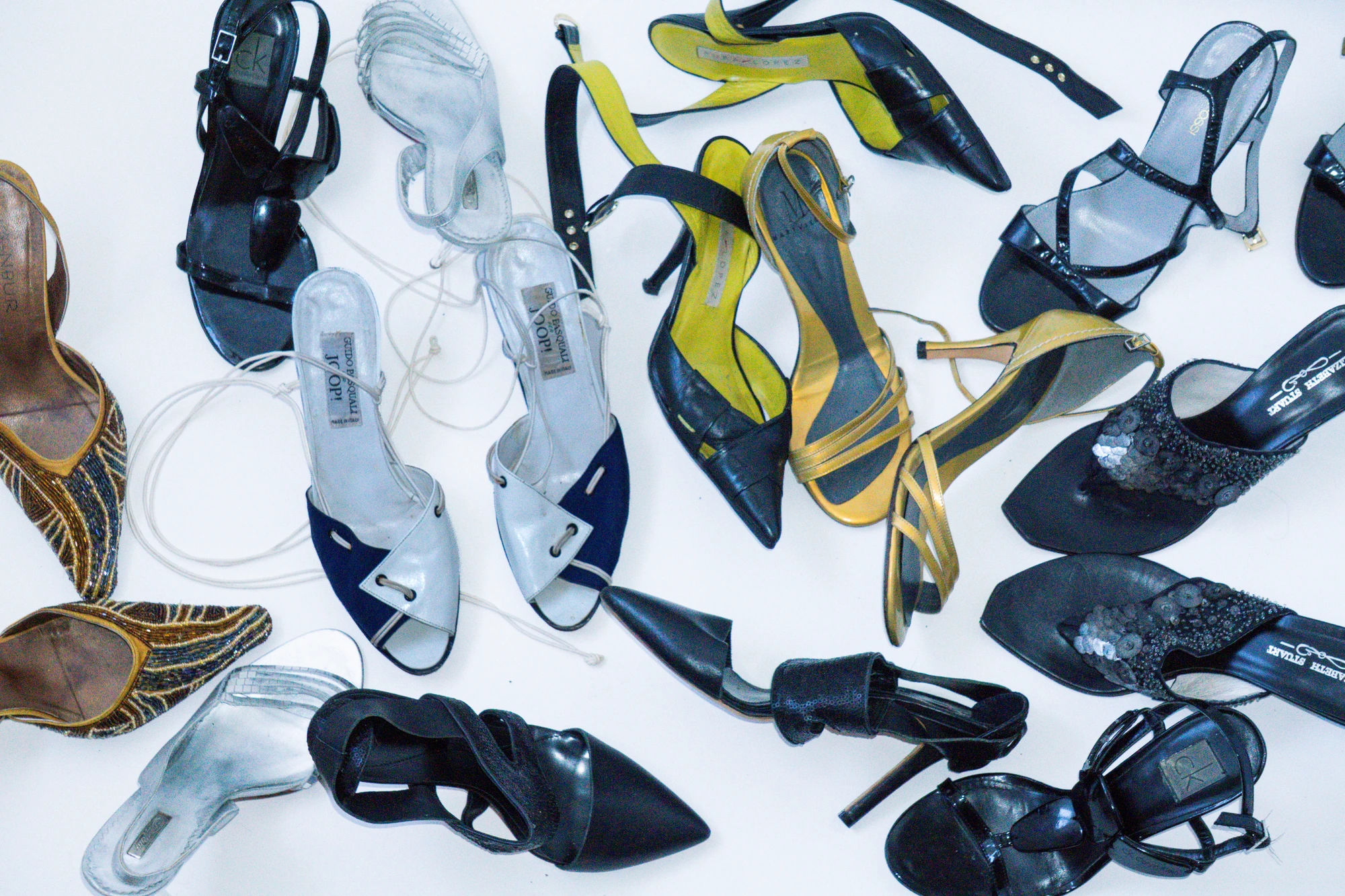
LIEBELING’s values come from the things I often found missing when shopping secondhand myself: accessible prices, care for the pieces being sold, and clear information about what I was buying.
accessibility
Buying secondhand shouldn’t mean spending more or settling for a style you don’t love. I look for both classic and more current pairs, and try to match fast-fashion prices, making secondhand the easier choice without asking you to compromise on price or style.
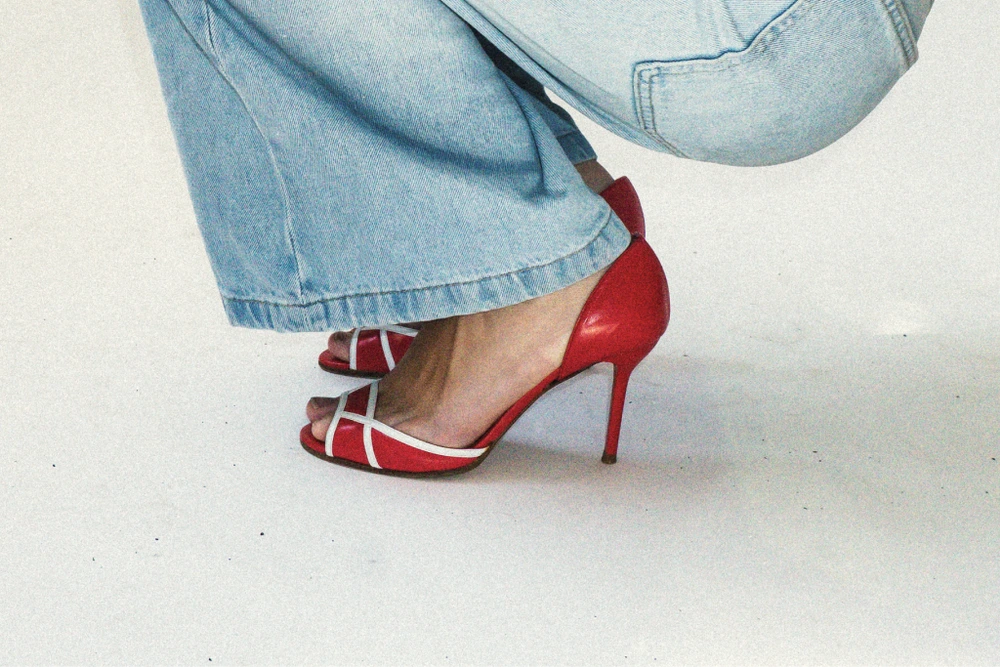
care
I spend weeks searching for pairs, looking closely at their quality, condition and design. That care continues once I’ve found them: I check each pair and repair damage where possible, so the shoes are ready to be worn and enjoyed again.
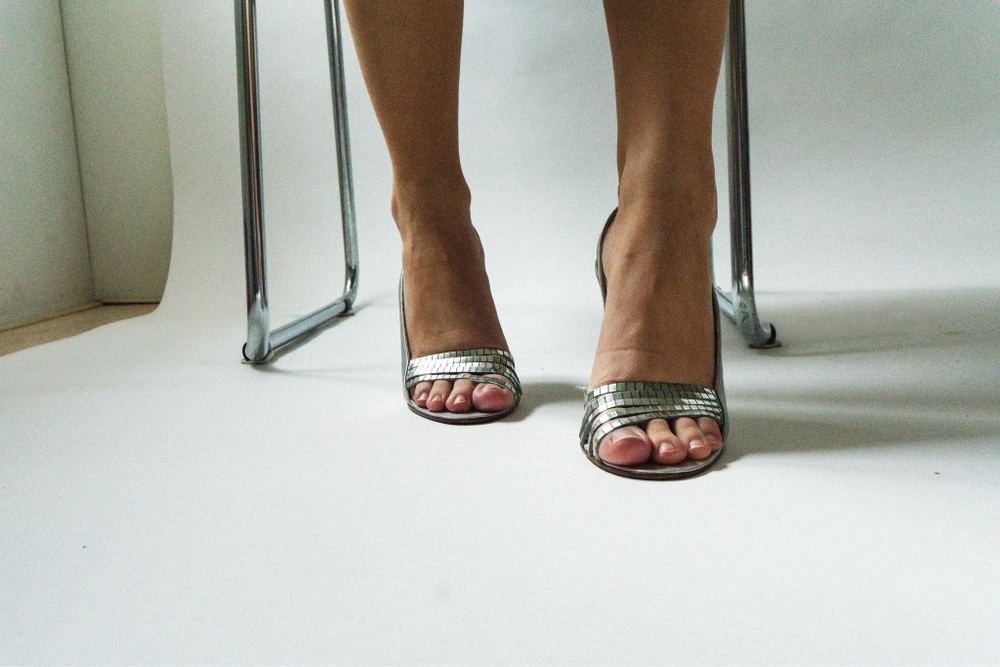
honesty
With secondhand shoes, the size on the label don’t always tell you enough. I describe how each pair actually fits and clearly state any remaining flaws, giving you a better idea of what you’re buying before you decide.
04 - liebeling’s mission
LIEBELING aims to make secondhand a practical choice for both wardrobe and budget, while keeping existing pieces in use for longer. This ambition also guides how the brand is developing.
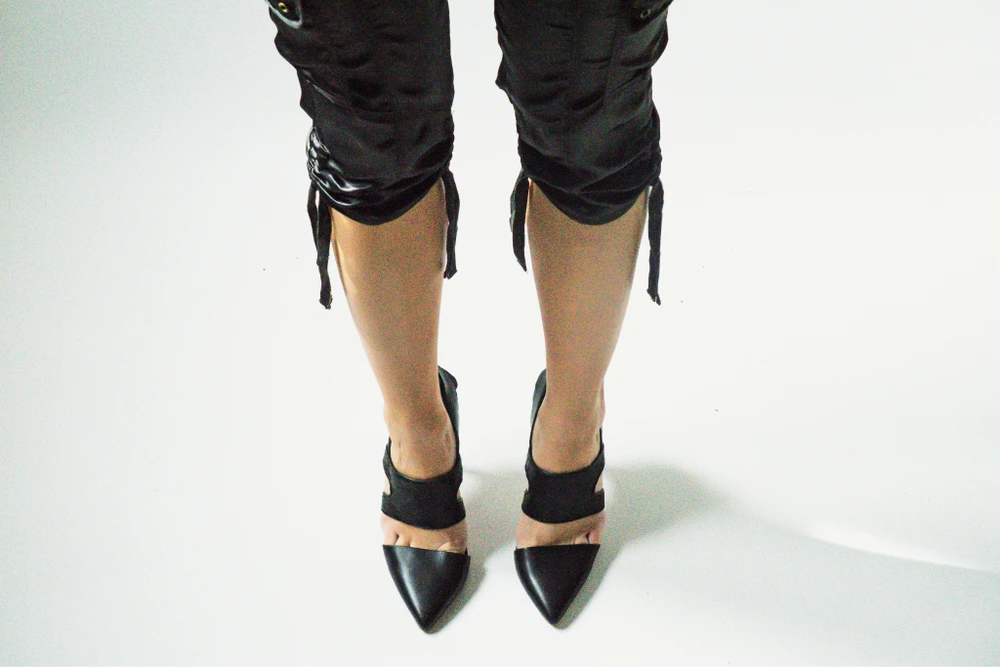
But, LIEBELING is still developing. Not all items used for shoots and branding are secondhand yet, and some were originally produced by fast-fashion brands. Cost, time and availability remain challenges; the same barriers that prompted the creation of LIEBELING. The aim is to gradually extend the secondhand approach to every part of the brand, including its styling and presentation, while making upcycling a larger part of its offering.